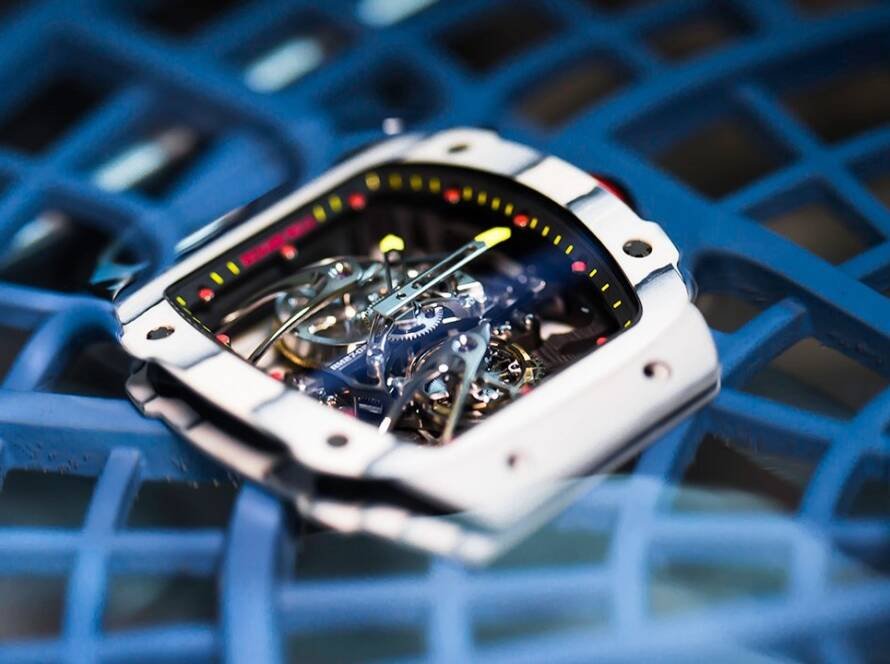
Most suppliers treat their process as a black box. We would rather show it, because the process is where the material is decided.
Preparing the fibre
We work with short fibre rather than woven cloth. The fibre is prepared and charged by hand, in batches small enough that we can pay attention to how it sits in the tool. This stage is quiet and unglamorous, and it is where most of the variation in the finished surface is created.
The press cycle
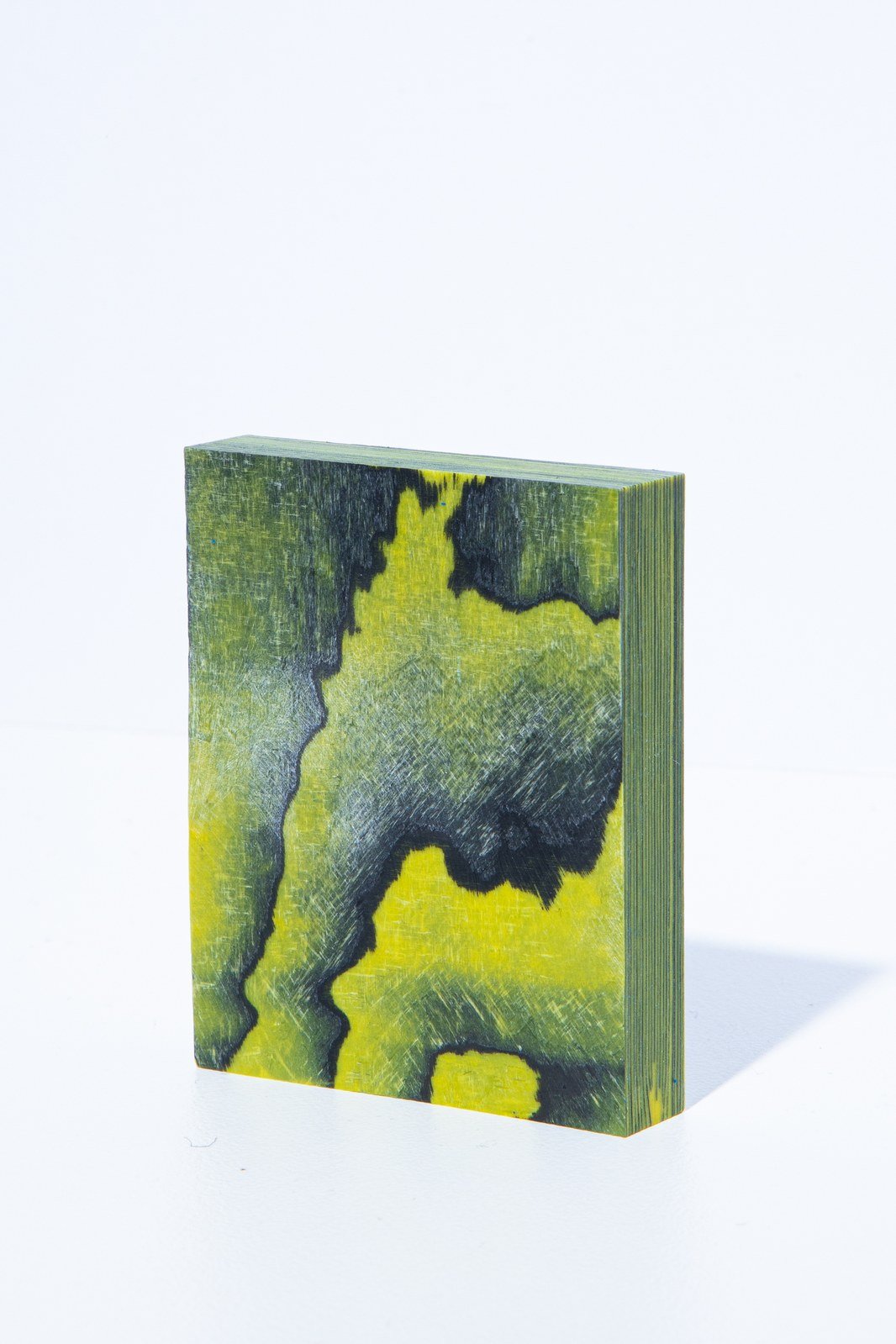
The charged tool goes into the press, and heat and pressure do the rest. We set the cycle ourselves — the way it ramps, how long it holds, how it cools. That matters because the cycle is what decides how the grain forms: whether it comes out tight and even, or open and marbled.
Because the press is ours, we are not limited to whatever a supplier happened to produce this quarter. If a project needs a particular look, we can work toward it.
From block to part
The result is a solid block. Most forged parts are moulded close to their final shape; we cut ours from solid instead. It is slower, and it wastes more material, but it gives cleaner edges and holds the tolerances that small precision parts actually need.
Finishing
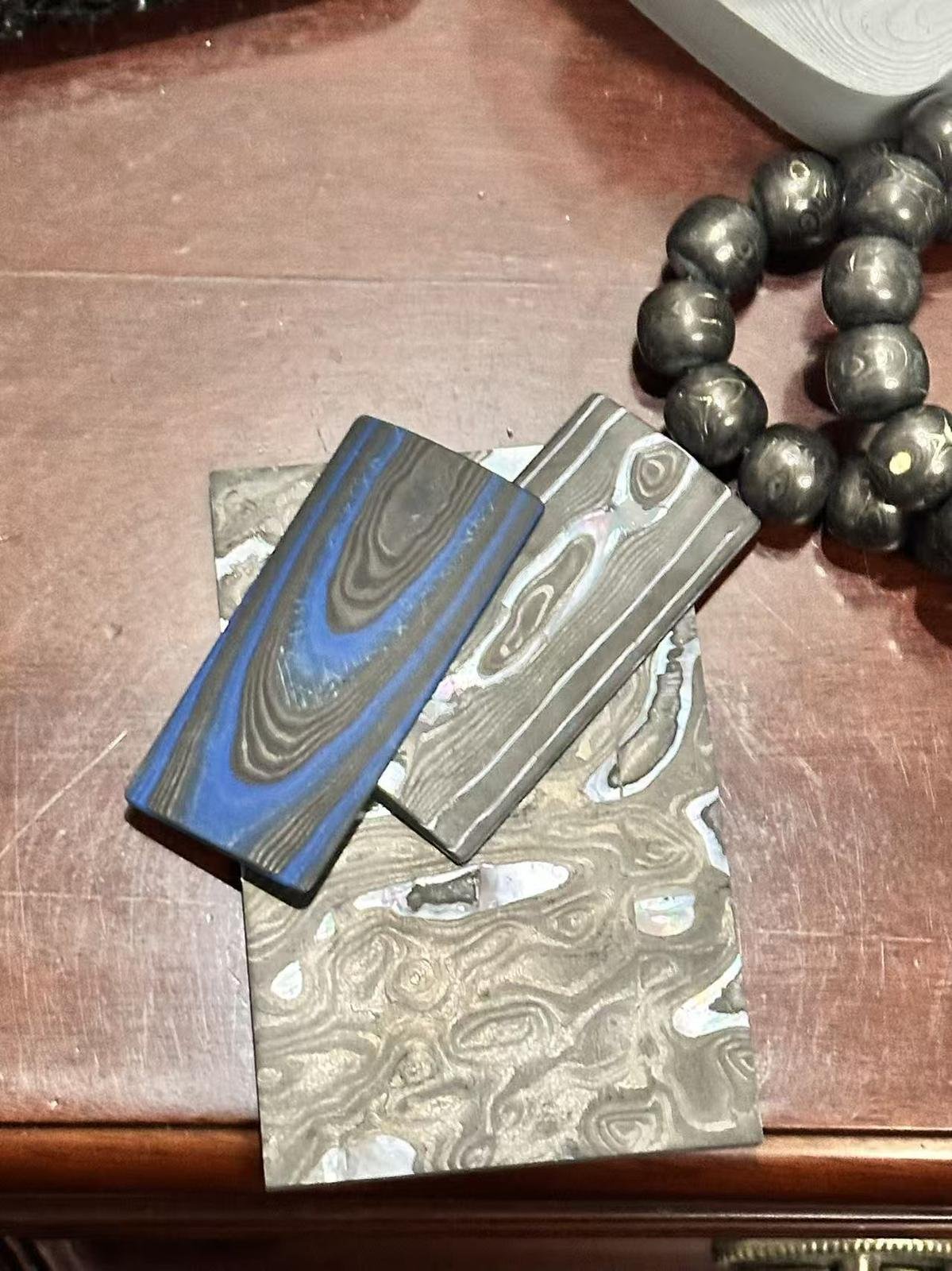
Nothing is added at this stage. The pattern is already inside the material — sanding and polishing only reveal more of it. We finish by hand, checking the surface as it comes up, because the moment to stop is a judgement rather than a setting.
Why we are telling you this
If you understand how the block is made, you can specify what you want from it: a colour, a grain direction, two parts cut from adjacent positions so they match. Those are all decisions made before the part is cut, and none of them are available if the material arrives as a finished sheet from someone else.
Tell us what you are making and we will tell you what is possible.